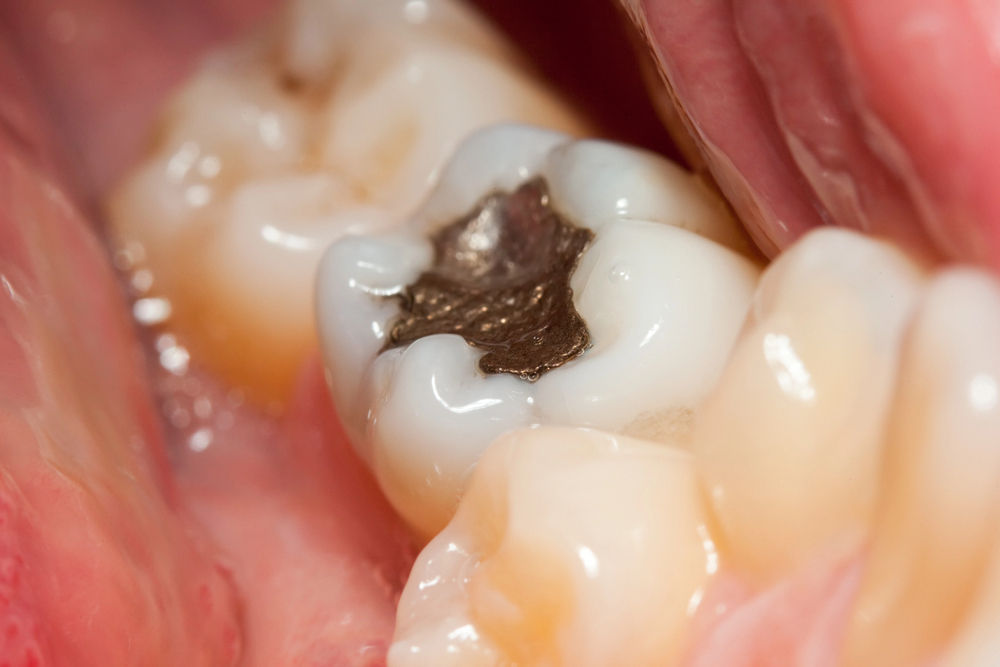

At Signature Smile Arts, we take our patients’ concerns to heart. A common concern we see is in regards to dental amalgam fillings, which contain mercury, a harmful heavy metal. However, it’s the mercury vapors that are harmful, and only small amounts of vapors are released over time from an amalgam filling. In today’s blog you’re going to learn the answer to “Is amalgam dangerous?”, along with why dentists may still use amalgam, what it contains, the potential problems it could create, and whether a person should consider replacing amalgam fillings with a more modern, esthetic alternative.
If you have questions about the safety of any dental procedure, material, or technology, please share your thoughts with us. Our Homewood dentists adhere to strict safety protocols to protect patients, as well as our team members. Your safety, and comfort, are always high priority to us. To learn more or schedule your consultation with one of our talented, caring dentists, call us at (708) 799-5353.
So Is Amalgam Dangerous or Not?
Major research and reviews reveal conclusive evidence about the safety of using dental amalgam. For most humans, harmful health effects do not occur due to having metal amalgam fillings. The US Federal Drug Administration makes the point that some groups may have greater risk for mercury-induced health complications than others.
The bottom line is, amalgam is safe for nearly everyone. Approximately 1 to 3% of people in the US may have sensitivities to the mercury vapors released over time by amalgam fillings. Most common reactions are localized to the mouth and do NOT result in widespread illness. We’ll review the high-risk groups later, so keep reading.
What Is Dental Amalgam, Exactly?
Amalgam restorations (sometimes called “silver fillings”) are metallic and darken over time. They stand out against naturally white tooth enamel. “Amalgam” means a mixture combining various elements to create a unified product. Dental amalgam is a mixture of tin, silver, and copper, and elemental mercury. The mercury binds with all the metals to create a very strong and stable dental filling. Dentistry has incorporated amalgam for over a century because it’s the most reliable and affordable material for strength, longevity, and predictable results.
Why Do People Worry About Amalgam?
Mercury is a heavy metal, and its vapor is known to cause toxic effects in humans, animals, and the environment when exposure occurs at high levels. Health issues tend to be neurological and developmental, and kidneys may be affected. It’s important to understand that:
- In the amounts released through amalgam fillings, mercury vapors usually cause no adverse effects.
- Mercury sensitivity and poisoning are two different things.
- Sensitivity may involve localized or individualized reactions, while poisoning requires high-level exposure.
- Regulatory agencies measure mercury exposure using conservative safety thresholds.
- Some individuals should avoid mercury in dental fillings, but for the vast majority, amalgam fillings do not cause measurable health concerns.
Who Should Avoid Amalgam?
The US FDA recommends these high-risk groups to avoid amalgam dental fillings:
- Pregnant women
- Women planning to become pregnant
- Nursing infants and toddlers
- Children under 6 years of age
- Those with neurological disease, kidney damage, or a known mercury allergy or sensitivity
Do I Need My Amalgam Fillings Replaced?
Before you decide to replace amalgam fillings, please understand that the US FDA suggests not removing amalgam fillings if they are in good condition and the patient is not experiencing any sensitivity or adverse side effects. The agency reports that amalgams should not be removed to prevent disease because removal can temporarily increase mercury vapor exposure and may damage healthy tooth structure.
Only consider replacing amalgam fillings if they are cracked, failing, the patient is in a high risk group, has recurrent decay around the restoration, or needs an all-white alternative for cosmetic reasons. You must balance your desire and situation with the risk of mercury vapor exposure during removal.
Safer Modern Alternatives (What Patients Can Ask For)
Our Homewood dentists prefer to place composite resin fillings because they contain no mercury, no metal, and blend seamlessly with existing tooth structure. You can also opt for a glass ionomer filling or a dental crown, inlay, or onlay.
Is Amalgam Dangerous…for YOU?
This question deserves a personalized response from your Homewood dentist, after a thorough oral health exam and conversation. If you have amalgam fillings, don’t panic. Let’s talk about your unique health history and current health, as well as family planning. With the advice of our trained and experienced dentists, you can make a wise, informed decision about the future of your smile. Call us today to schedule your consultation, at (708) 799-5353.