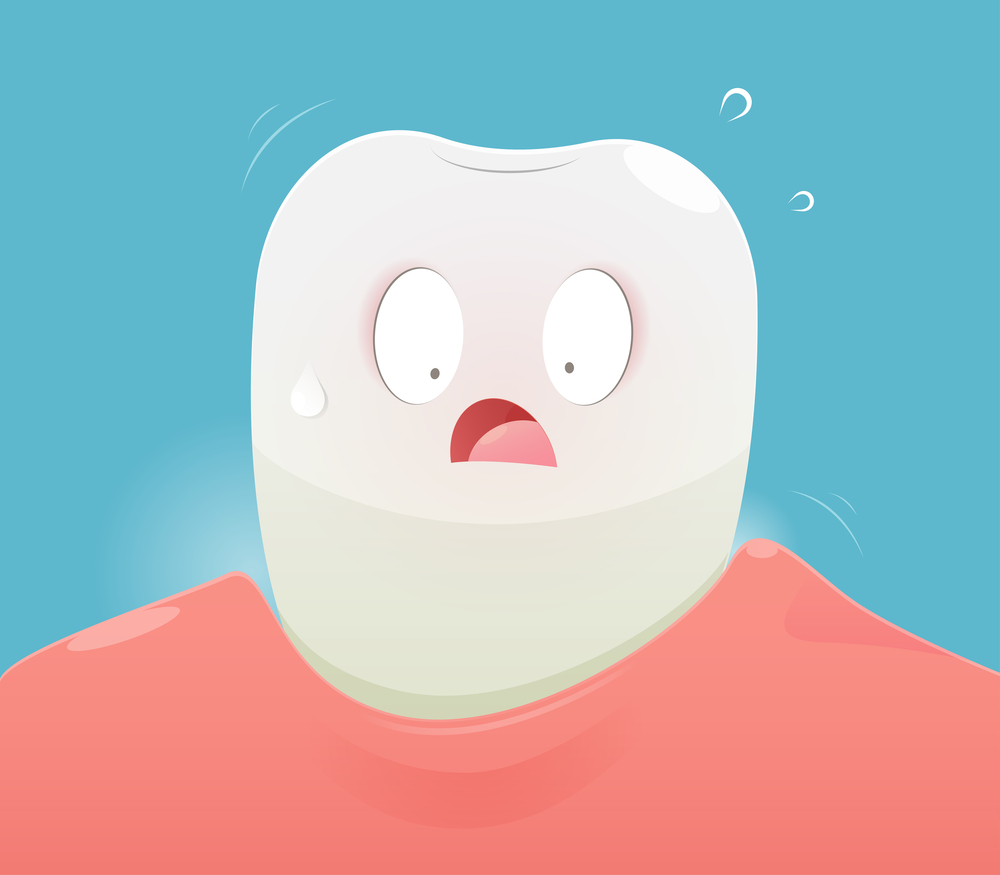

Have you developed tooth sensitivity to hot or cold foods? Do your teeth appear longer than they did 20 years ago? Do your gums bleed when you brush your teeth? These are symptoms of gum recession, when periodontal tissue pulls away from the base of teeth to reveal part of the teeth roots. Since roots aren’t coated with enamel, gum recession leads to dental sensitivity, and it can become quite intense. Early detection and treatment can save you from worsening pain, tooth loss, and greater expense.
If you’re in search of a Homewood, IL, dentist to help you navigate oral health and enjoy a healthy, vibrant smile at any age, call Signature Smile Arts today at (708) 799-5353. With a team of experienced dentists and armed with modern dental technology, we will help you create a foundation of great oral health, fresh breath, and beautiful smiles.
Common Causes of Gum Recession
Of American adults 30 years and older, 22% have experienced moderate gum recession (3mm or more), and it often goes untreated. The most common causes of gum recession in adults are:
- Poor oral hygiene
- Smoking/using tobacco or vaping
- Bruxism (teeth grinding)
- Malocclusion (uneven bite)
- Gum disease (gingivitis, periodontal disease)
- Brushing too hard or using a hard toothbrush (choose soft bristles)
Gum recession risk increases dramatically with age. Of adults aged 50-64, 50-60% experience recession. For the over-65 age group, the incidence globally is 70-88%. Why? Years of any of the causes listed above, in addition to gum tissue naturally thinning with age, means that as you grow older, you’re more likely to experience receding gums.
Warning Signs of Gum Recession
If you suspect that your gums are receding, do your teeth appear longer than before? Are you experiencing sensitivity to hot/cold foods or sweets? Do your gums bleed when you brush your teeth? Can you spot dark rims at the base of your teeth, where the gums meet the enamel? These are the most common, easily identifiable symptoms of gum recession. However, some patients experience little to no discomfort–so they aren’t aware that their gums have receded. The dentist may be the first to inform you that your gums are in need of extra care.
How Your Homewood Dentist Can Help
When you visit your Homewood, IL, dentist for gum recession or we find evidence of receding gums during your checkup or cleaning, we’ll perform a diagnostic exam, along with digital imaging. You may need a deep dental cleaning to remove plaque and stubborn tartar from teeth, at and below the gum line. Perhaps you’ve heard of “scaling and root planing.” These two techniques make up a deep cleaning, with antibiotic therapy in some cases, to remove tartar and help gum tissue heal or regenerate. Some patients also need bite adjustment to correct how upper and lower teeth come together when the mouth is closed, a relationship we call occlusion.
Restorative Dentistry Solutions
The treatment we suggest for gum recession will depend upon your unique case. Your Homewood, IL, dentist may suggest adding bonded restorations to the affected teeth, to protect sensitive roots from triggers that cause pain. In some cases, crowns or veneers are suggested in lieu of bonding. All of these treatments improve the appearance of teeth and address the discomfort of gum recession.
For some patients, we focus on the gum tissue rather than affected teeth. Laser periodontal therapy is often recommended. This treatment removes damaged and dead gum tissue, prompting new, healthy tissue to generate in its place. A surgical treatment modality, gum grafting adds synthetic or donor tissue to the gums, and as healing takes place, the graft bonds with developing new tissue to replace lost gum tissue.
Preventing Gum Recession
To reduce your risk for gum recession recurrence, choose a soft-bristled toothbrush and use gentle, not harsh, pressure. Also, attend six-month checkups and cleanings. If you have gum disease, you may need more frequent cleanings.Also, if you clench and grind your teeth at night, you should wear a custom nightguard to protect your teeth. We create custom nightguards for patients with bruxism or TMJ disorder.
As is true for your overall good health, prioritize hydration and a healthy diet to support good oral health. Drink water throughout the day to cleanse your mouth and hydrate your body. Limit sweets and starches, as well as acidic foods and beverages.
Your Homewood, IL, Dentist: A Partner for Great Oral Health
Your gums and teeth should not hurt! If they ache, that’s your cue to call Signature Smile Arts, your Homewood, IL, dentist, for a consultation. Book your visit by calling (708) 779-5353 or go online to schedule today.