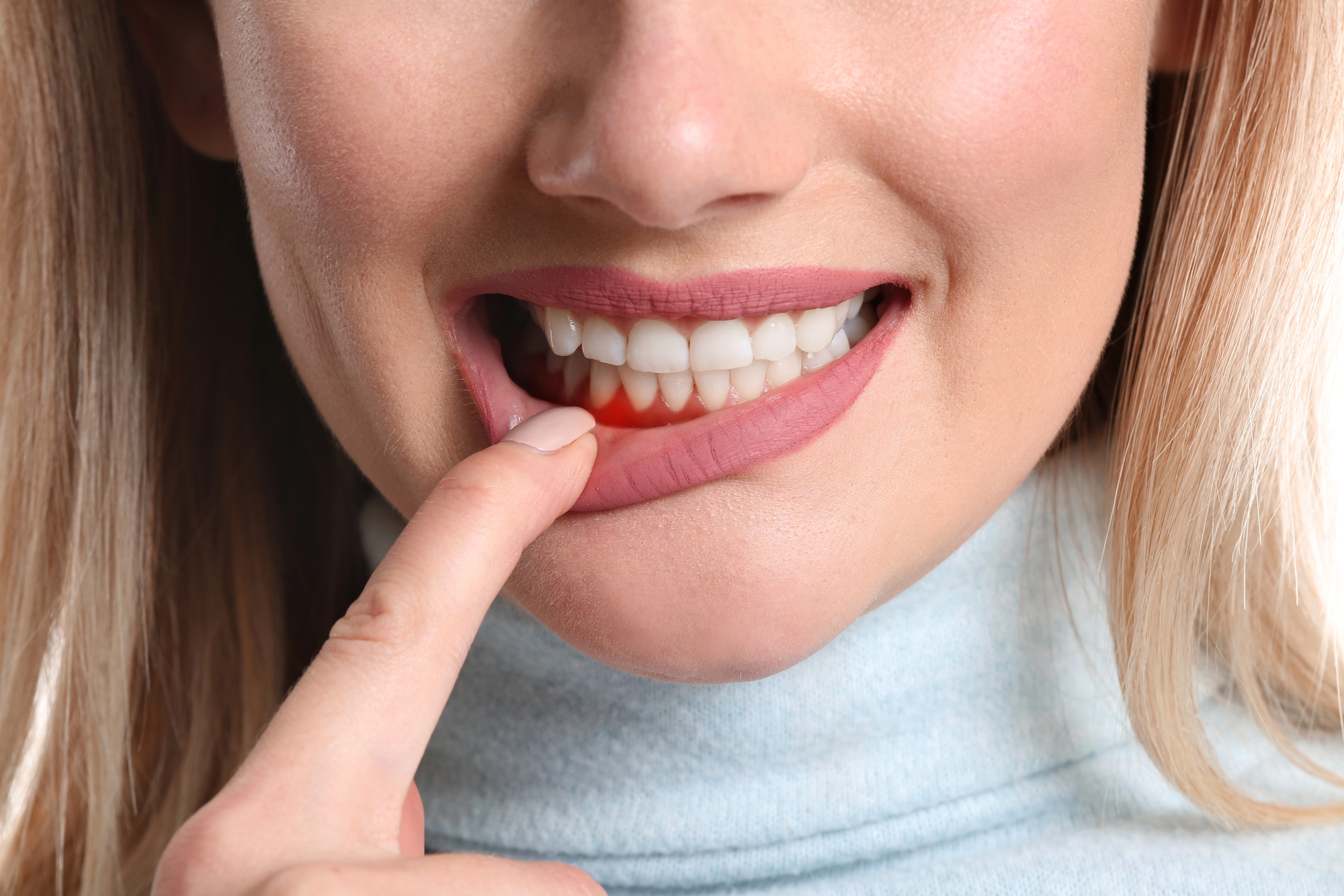

One day you’re enjoying a cup of coffee, and the next, you’re wincing from pain after taking a sip. Tooth sensitivity can appear suddenly and range from mildly annoying to surprisingly painful. While occasional sensitivity isn’t uncommon, persistent symptoms shouldn’t be ignored. In many cases, sensitive teeth are your body’s way of telling you something needs attention.
Experiencing sensitive teeth? Call Signature Smile Arts at 708-799-5353 to schedule an evaluation and find the source of the problem.
What Is Tooth Sensitivity?
Tooth sensitivity occurs when the protective outer layers of the teeth become compromised, exposing the underlying dentin.
Dentin contains microscopic tubules that connect to the nerves inside your teeth.
When exposed, everyday activities may trigger discomfort.
Common triggers include:
- Hot beverages
- Cold foods
- Sweet foods
- Acidic foods
- Cold air
- Brushing
The severity can vary from person to person.
1. Gum Recession
One of the most common causes of sensitivity is gum recession.
As gums pull away from teeth, the root surfaces become exposed.
Unlike enamel, root surfaces have less protection and may be more sensitive.
Gum recession can occur because of:
- Gum disease
- Aggressive brushing
- Aging
- Genetics
2. Brushing Too Hard
Many people believe brushing harder means brushing better.
It doesn’t.
The ADA recommends brushing gently with a soft-bristled toothbrush.
Aggressive brushing may contribute to enamel wear and gum recession over time.
3. Teeth Grinding
Grinding and clenching place tremendous pressure on teeth.
Over time, this may wear down enamel and increase sensitivity.
Signs of grinding may include:
- Jaw soreness
- Headaches
- Flattened teeth
- Chipped enamel
Many people grind their teeth during sleep without realizing it.
4. Cavities
Sensitivity is sometimes one of the earliest signs of tooth decay.
As a cavity progresses, it may move closer to the nerve.
Professional evaluation is important because cavities do not heal on their own.
5. Cracked Teeth
Tiny fractures can create intermittent sensitivity.
You may notice discomfort when:
- Chewing
- Drinking cold beverages
- Releasing pressure after biting
Cracks often worsen over time if left untreated.
6. Acidic Foods and Beverages
Acid exposure may gradually soften enamel.
Frequent exposure may come from:
- Soda
- Sports drinks
- Citrus fruits
- Energy drinks
Drinking water afterward may help reduce acid exposure.
7. Recent Dental Treatment
Temporary sensitivity sometimes occurs after:
- Fillings
- Crowns
- Whitening procedures
This often improves within a short period.
Persistent pain should be evaluated.
8. Gum Disease
According to the CDC, nearly half of adults aged 30 and older have some form of periodontal disease.
As gums recede and inflammation develops, sensitivity may increase.
Bleeding gums should never be ignored.
How Is Sensitivity Treated?
Treatment depends entirely on the cause.
Solutions may include:
- Desensitizing toothpaste
- Fluoride treatments
- Nightguards
- Fillings
- Crowns
- Gum disease treatment
A proper diagnosis is the first step.
When Should You Call a Dentist?
Schedule an evaluation if sensitivity:
- Lasts more than a few days
- Continues to worsen
- Interferes with eating or drinking
- Is accompanied by swelling
- Is isolated to one specific tooth
Your teeth are excellent at communicating when something is wrong.
The key is listening early rather than waiting for severe pain to develop.
Many causes of sensitivity are straightforward to treat when caught early.
Ignoring the symptoms often allows small issues to become larger ones.
If your teeth have suddenly become sensitive, don’t guess at the cause. Contact Signature Smile Arts in Homewood today at 708-799-5353 to schedule an evaluation and protect your smile.